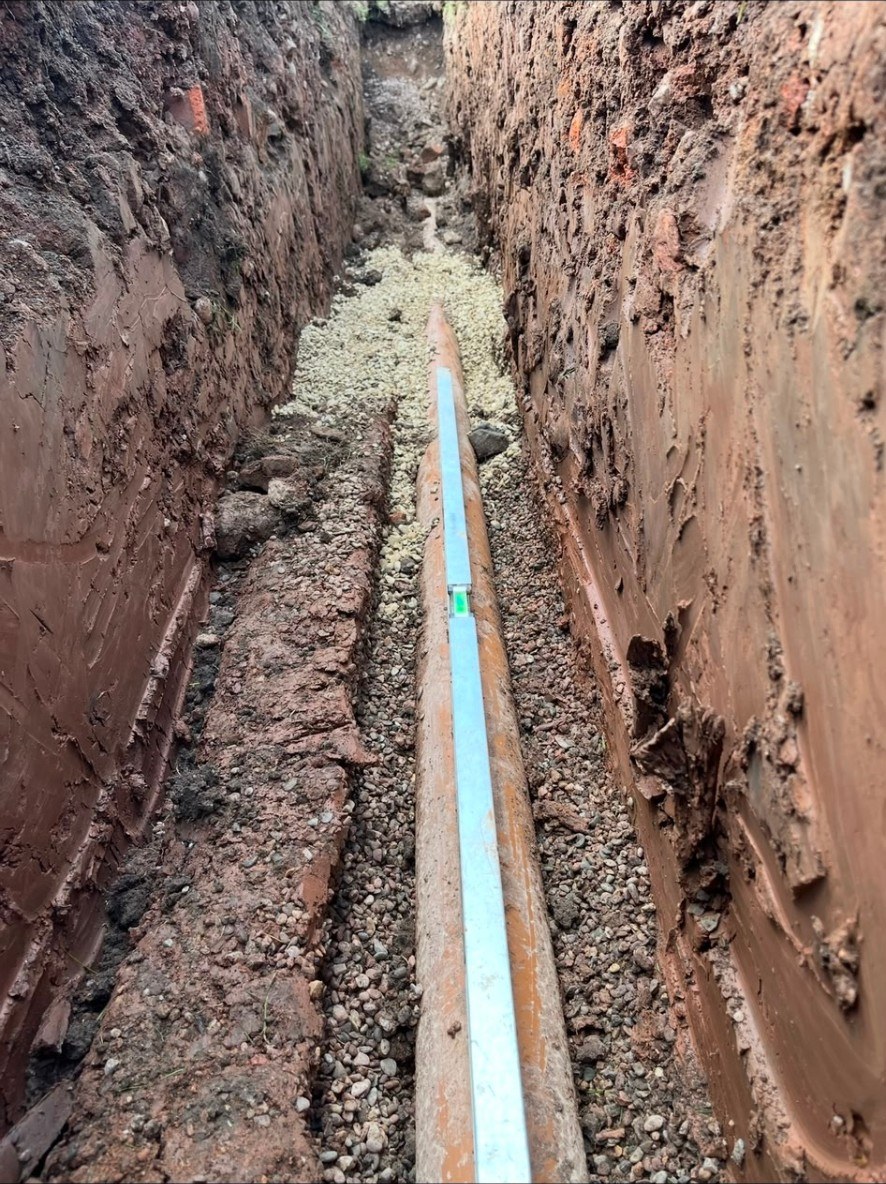
Professional drainage pipe installation in a deep ground trench with spirit level check.

Excavation & Groundworks · Cheltenham & the Cotswolds

Excavation in CheltenhamGroundworks done rightthe first time.

Site clearance, bulk excavation, footings, drainage trenches, foundations and muck-away - handled by experienced plant operators with a clear method statement, before-and-after photos and full waste documentation.

Waste Carrier Licence, Fully insured, fully insured for plant operations on residential sites.

15+
Years experience
400+
Projects completed
5 yr
Workmanship guarantee
Fully insured
Fully insured
Free
Response time

Overview

What excavation & groundworks actually involves - and when it's the right call.

What it is

Excavation is the controlled removal of soil, rock, hardcore or vegetation to a specified depth and tolerance, including site clearance, bulk dig, footing trenches, drainage runs, foundation pads and site levelling. Done as standalone work or as the first phase of a landscaping or construction project.

Who it's for

Homeowners preparing for an extension, garden room, swimming pool, basement, large landscaping project or driveway conversion. Equally suited to builders subcontracting groundworks, architects needing accurate as-dug levels, and developers prepping plots for build.

When it's needed

Before any structural build (extension, garden room, pool) starts; before resin or porcelain installs that need fresh sub-base; when removing failed concrete, tarmac or large root systems; or when levelling sloped sites for usable garden space.

Why professional installation matters

Excavation accidents are over-represented in domestic construction injury statistics - buried services, unstable batters, plant operating near buildings. Professional groundworks means CADS service plans before dig banksman direction, and documented waste disposal under Environment Agency rules.

The cost of getting it wrong

What happens when this job is delayed - or done badly.

Poorly executed groundworks create problems that cascade through the entire project - out-of-tolerance levels, undocumented buried waste, damaged services, unstable trench walls. The downstream cost almost always exceeds the saving from cutting corners at this stage.

Struck buried services

Live electrical cables, gas mains, water and BT lines run through most residential sites. Striking one mid-dig means emergency call-outs, fines, site shutdown and personal injury liability. CADS plans and CAT scans before dig are the only mitigation.

Wrong levels, downstream rebuild

Excavation 50mm out of tolerance forces the entire sub-base, bedding and finished surface to compensate - or to be re-dug. Either way the cost lands on the homeowner, not the original groundworker.

Unstable trench batters

Trenches dug vertically without battering or shoring collapse - the leading cause of construction fatalities in the UK. HSE rules require battered sides or shoring on trenches over 1.2m, full stop.

Common mistakes we see on rescue jobs

  • Skipping CAT scan and CADS service drawings 'because it's only a garden'.
  • Hiring a man-with-a-mini-digger with no excavator ticket and no insurance.
  • Dumping excavated material in a corner of the garden instead of removing under a Waste Transfer Note.
  • Trench digging without battering, shoring or HSE-compliant working method.
  • Excavating against a retaining wall or building foundation without temporary support.
  • Working without a registered Waste Carrier — significant fines apply.

The Millpond Process

A defined, documented process from first visit to handover.

  1. 01

    Pre-dig survey

    CADS service plans pulled, CAT scan on site, levels checked against architect/landscape design, method statement written.

  2. 02

    Site setup

    Protect existing surfaces, install ground-protection mats, agree access route, set up site bunding and erosion control if required.

  3. 03

    Excavation

    experienced operator on appropriate plant (1.5T to 8T excavator depending on scope). Banksman on site, level checks throughout, batters cut safely.

  4. 04

    Muck-away

    Material loaded to grab lorry or skips, removed under Waste Transfer Note. Soil tested if contamination suspected; specialist disposal where required.

  5. 05

    Handover

    Final levels checked and documented, photos of dig taken at each stage, waste transfer notes provided. Site left ready for next trade.

What you actually get

Specific, measurable outcomes - not promises.

experienced operators

Every plant operator holds current excavator ticket up to 10 ton - non-negotiable for residential plant operations.

Full insurance coverage

Fully insured - your insurer's questions answered before they're asked.

Documented service-strike mitigation

CADS plans and CAT scans documented and retained - your protection if anything goes wrong post-handover.

Registered waste disposal

All material removed under Waste Transfer Notes, copies retained, fully traceable. No fly-tipping risk on your insurance.

Tolerance-checked levels

Final levels checked to ±10mm, documented on photo record. The next trade arrives to a base they can build on.

Coordinated with the rest of the build

Where excavation is the first phase of a Millpond landscaping or driveway project, the rest of the build follows seamlessly - no handover gaps, no blame-shift.

Materials, methods & variations

Everything you should know before commissioning the work.

Excavation looks simple from the kerb - a digger, a few hours, a pile of soil. The reality is a regulated activity with HSE compliance, Environment Agency waste rules, insurance requirements and tolerance discipline that determine whether the rest of the project succeeds. The notes below cover the variables.

Plant selection by access and scope

1.5T mini-excavator: garden access through 1m gates, light-duty bulk dig. 3T excavator: typical residential bulk dig, foundations, drainage. 5T+: large footprint, deep dig, heavy spoil. Right plant for the job - not the largest available, which damages access and surrounds.

Service detection and CADS plans

Service drawings pulled from National Grid (gas), local DNO (electric), Severn Trent (water), Openreach (BT). CAT (cable avoidance tool) scan on site before any dig. Trial-pitting by hand at suspected service crossings.

Waste disposal categories

Inert (clean soil, hardcore): tipped at registered inert site, lowest cost. Mixed inert/active: tipped at active site, mid cost. Hazardous (contaminated, asbestos-containing): specialist disposal under hazardous waste consignment, highest cost. Site sampling tells us which before quoting.

Trench safety and HSE compliance

Trenches over 1.2m require battered sides (45° typical) or trench-box shoring. Working at depth without these is illegal under CDM Regulations 2015 and a leading cause of construction fatalities.

Foundation and footing standards

Strip footings: typically 600mm deep × 600mm wide, into firm bearing strata, levels confirmed against architect's drawings. Pad footings: discrete pads under columns or pier-loaded structures. Tolerances tight - outside ±25mm requires re-dig or re-design.

Drainage trench specification

Foul drainage: 100mm pipe minimum, falls 1:40 typical, granular bedding and surround. Surface water: 100–150mm pipe to soakaway or storm connection. All to Building Regulations Part H and Approved Document standards.

Questions answered

The questions homeowners actually ask before they book.

Still unsure? Call 07834 619294 and speak with the team direct - no call centre, no scripts.

How much does excavation work cost in Cheltenham?+

Every project is priced individually based on size, materials, ground conditions and access. We provide a fixed written quote after a free on-site survey.

Do I need planning permission for excavation work?+

For most landscaping-scale excavation, no. For new dwellings, extensions over 50m³ of dig, basements, swimming pools and changes of level over 600mm in some areas - possibly. We flag at quote stage and coordinate with planning officer where needed.

What happens to the soil you dig out?+

Removed under Environment Agency Waste Transfer Notes to a registered tip. Inert material (clean soil, hardcore) to inert tips. Mixed or contaminated to active or hazardous tips. Waste Transfer Note copies retained and supplied at handover.

Can you work in restricted access situations?+

Yes - 0.8m wide mini-excavators access most domestic gardens. Where no access exists, hand-dig and conveyor systems are used. Site visit confirms access at quote.

Are you insured for excavation on my property?+

Yes - Fully insured.

What about underground services?+

CADS service plans pulled before dig, CAT scan on site before any excavation, trial-pitting by hand at suspected service crossings. Strike risk minimised; never zero, but documented mitigation is your protection.

Can you work with my architect or builder?+

Yes - we sub-contract groundworks to builders, architects and developers as well as direct-to-homeowner. Method statements, RAMS and insurance documentation supplied as required.

How quickly can you start?+

Smaller jobs (1–2 days): typically 1–2 weeks lead time. Larger projects: 3–6 weeks depending on plant scheduling and waste-removal coordination.

What's your guarantee?+

Workmanship guarantee on levels, drainage installation and any built elements (footings, foundations) per the scope. The dig itself is a one-time activity - the guarantee covers what's built on or from it.

A preview of our work

Recent projects across the Cotswolds.

View full portfolio
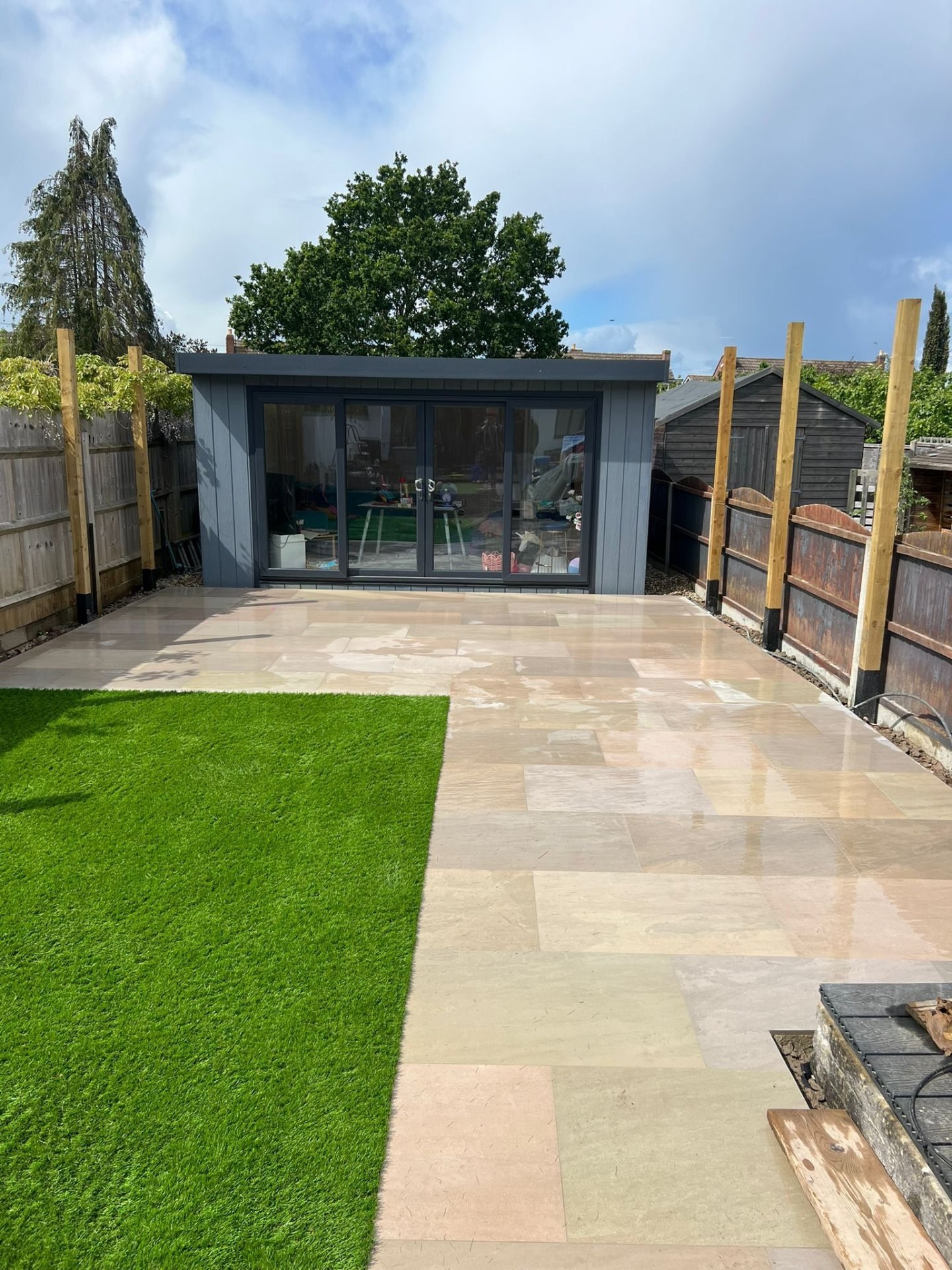
Modern garden landscape with sandstone patio flags, artificial grass, and grey summerhouse.
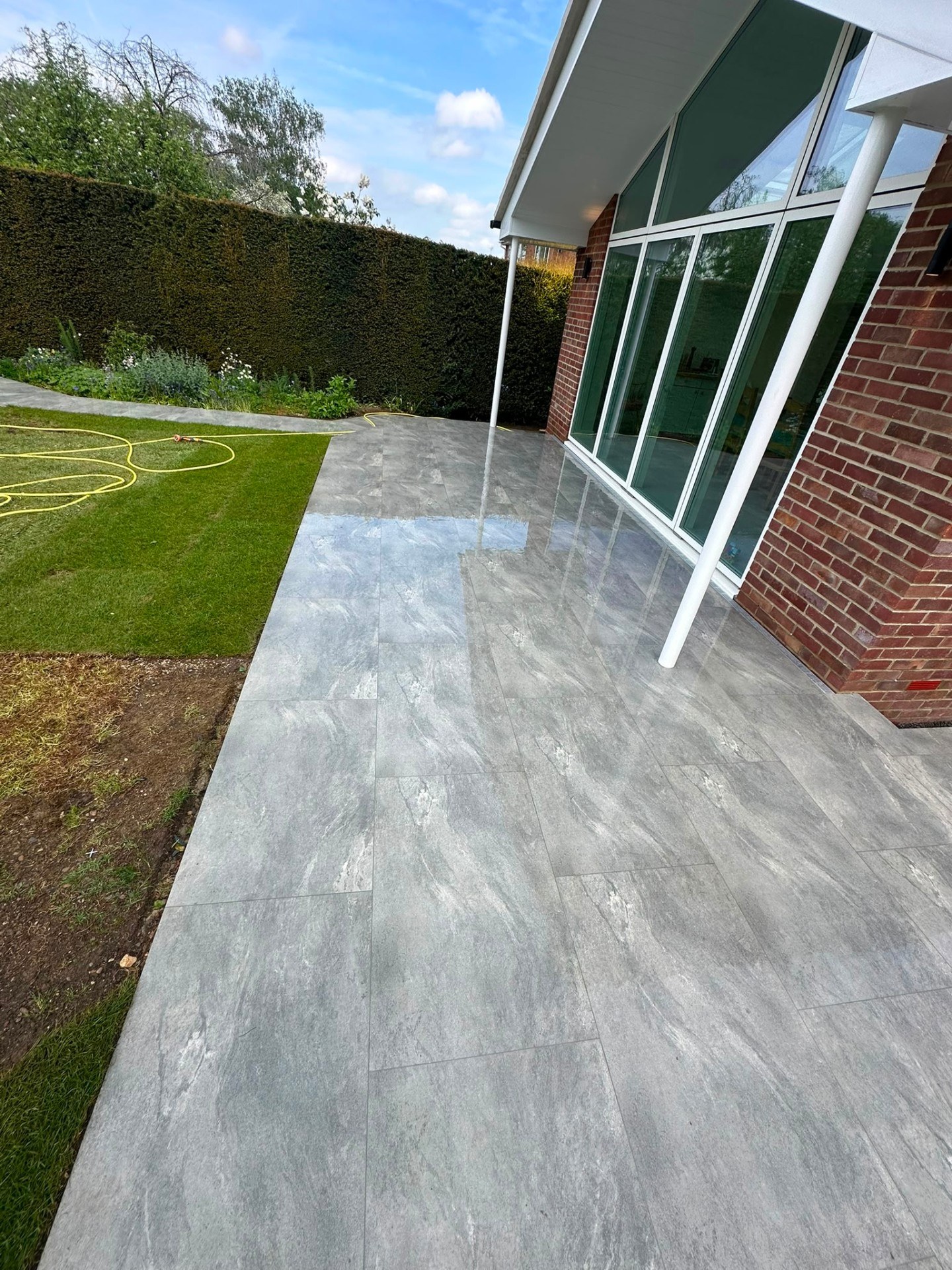
Modern grey porcelain patio paving alongside a fresh lawn and house extension.
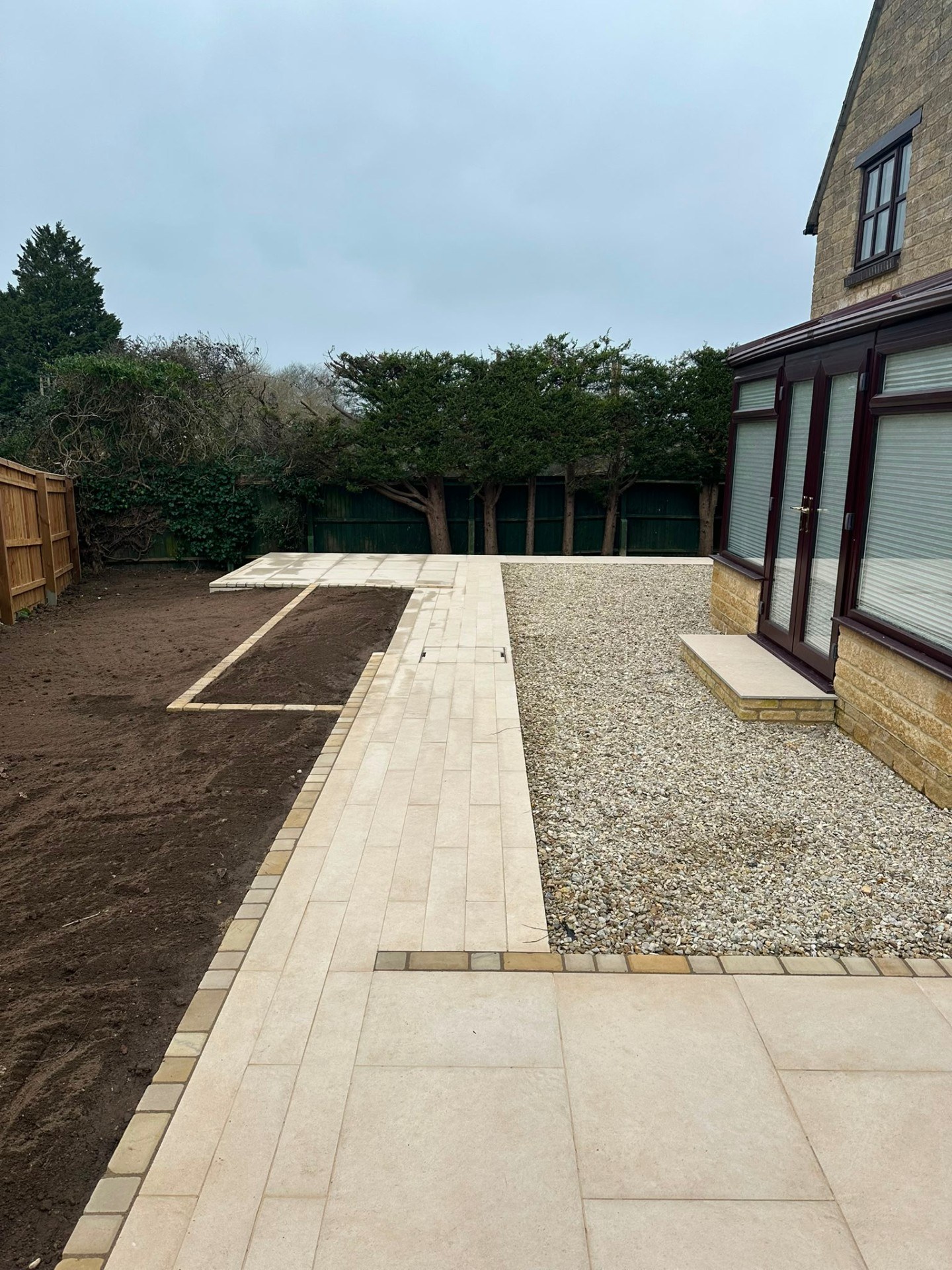
Modern garden landscaping with light porcelain paving, decorative gravel, and new flower beds.
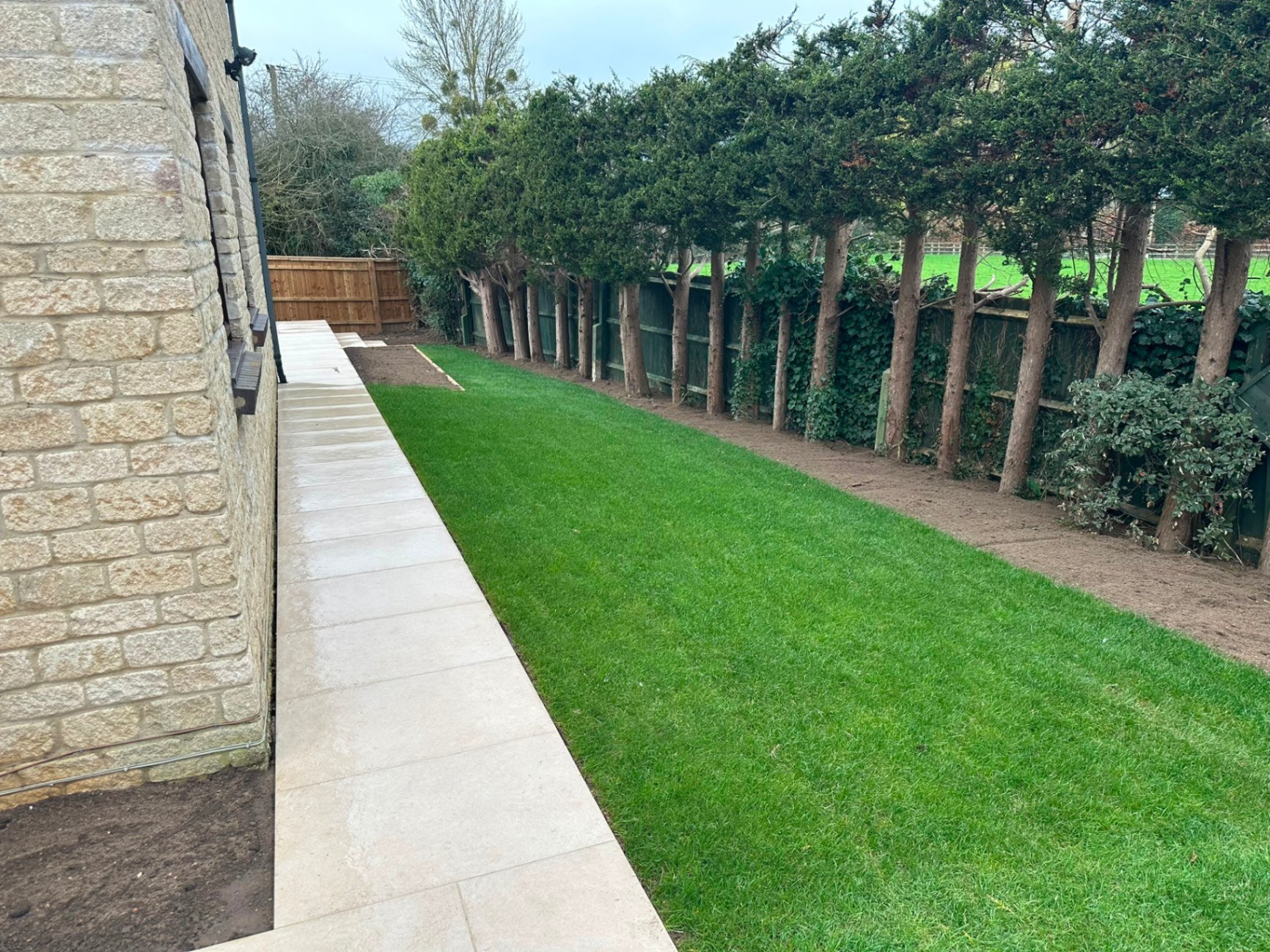
Newly turfed lawn with a smooth porcelain tile garden path alongside a stone house.
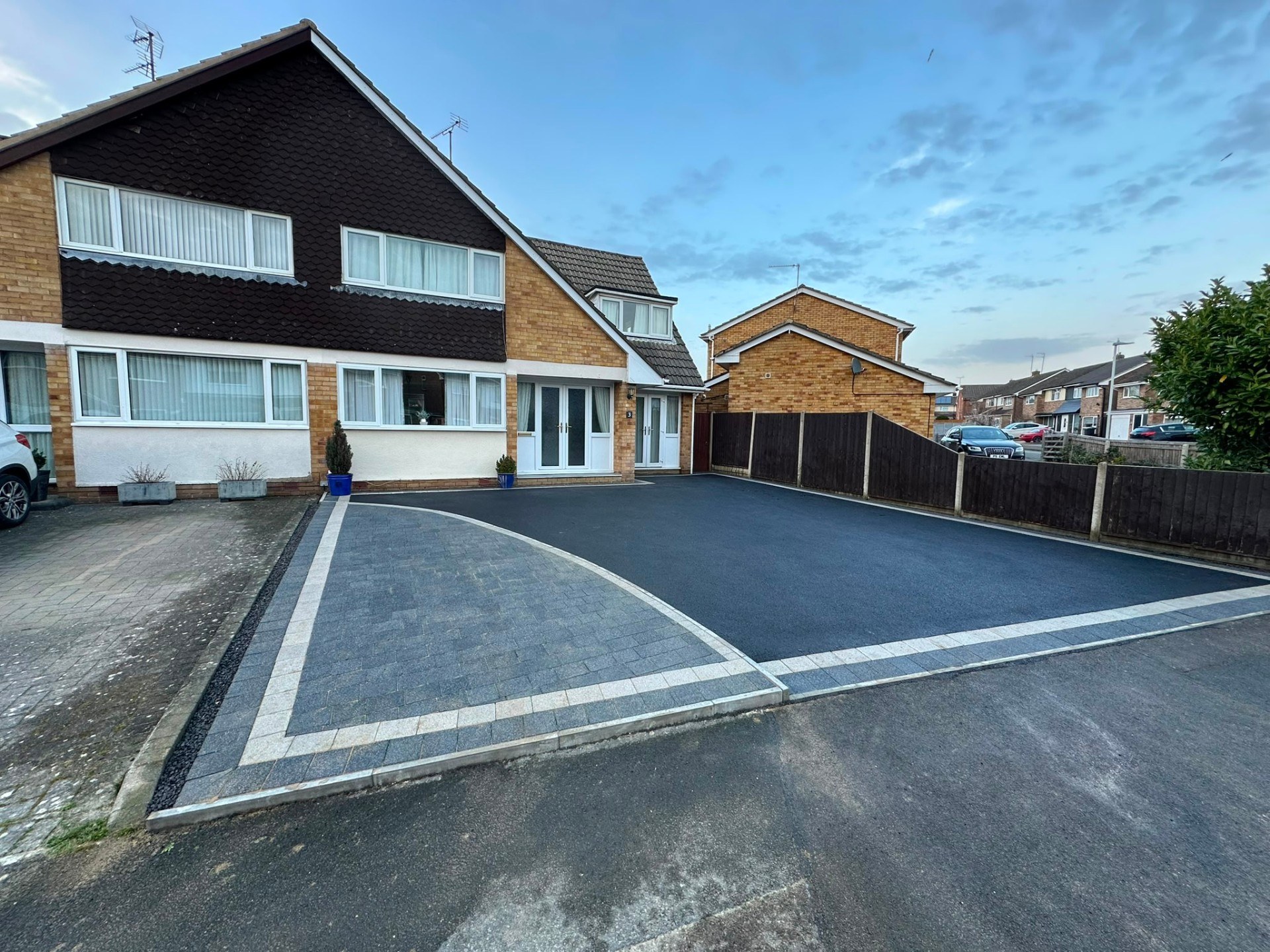
Large dark grey asphalt driveway with block paved border and apron detail in front of a house.
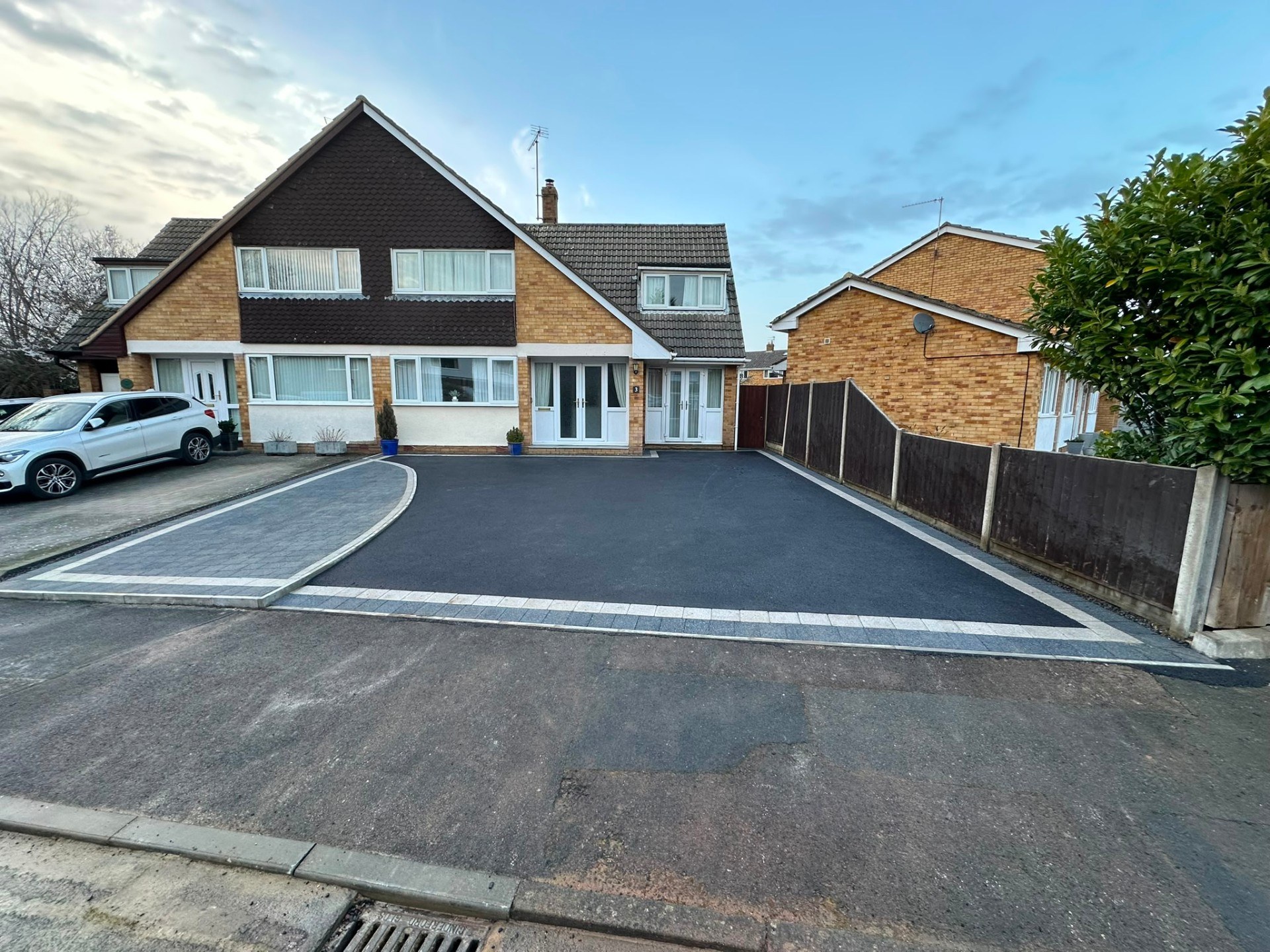
Modern tarmac driveway with decorative block-paving border and matching curved parking bay.
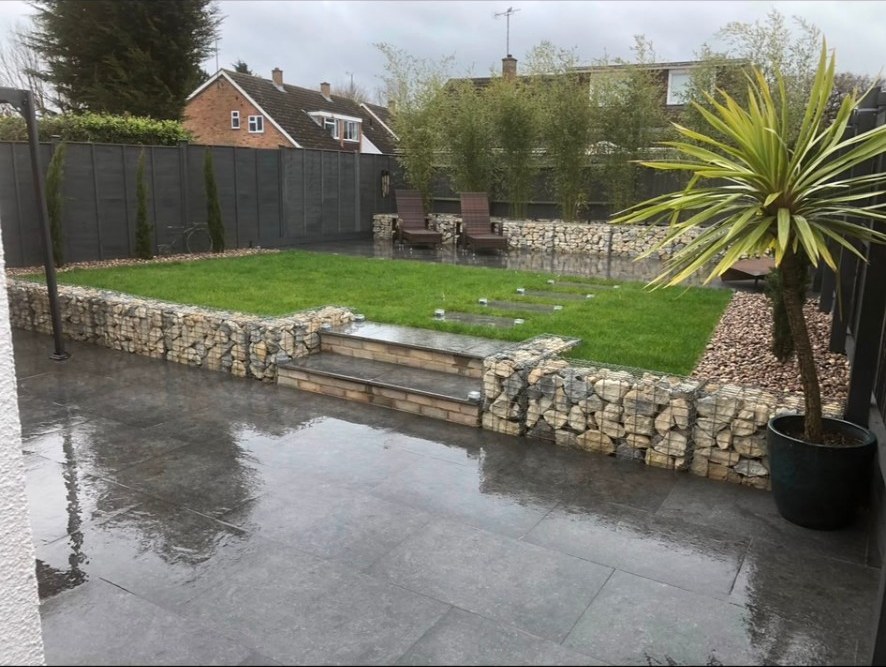
Contemporary garden with grey porcelain patio, gabion stone walls, lawn and bamboo screening.
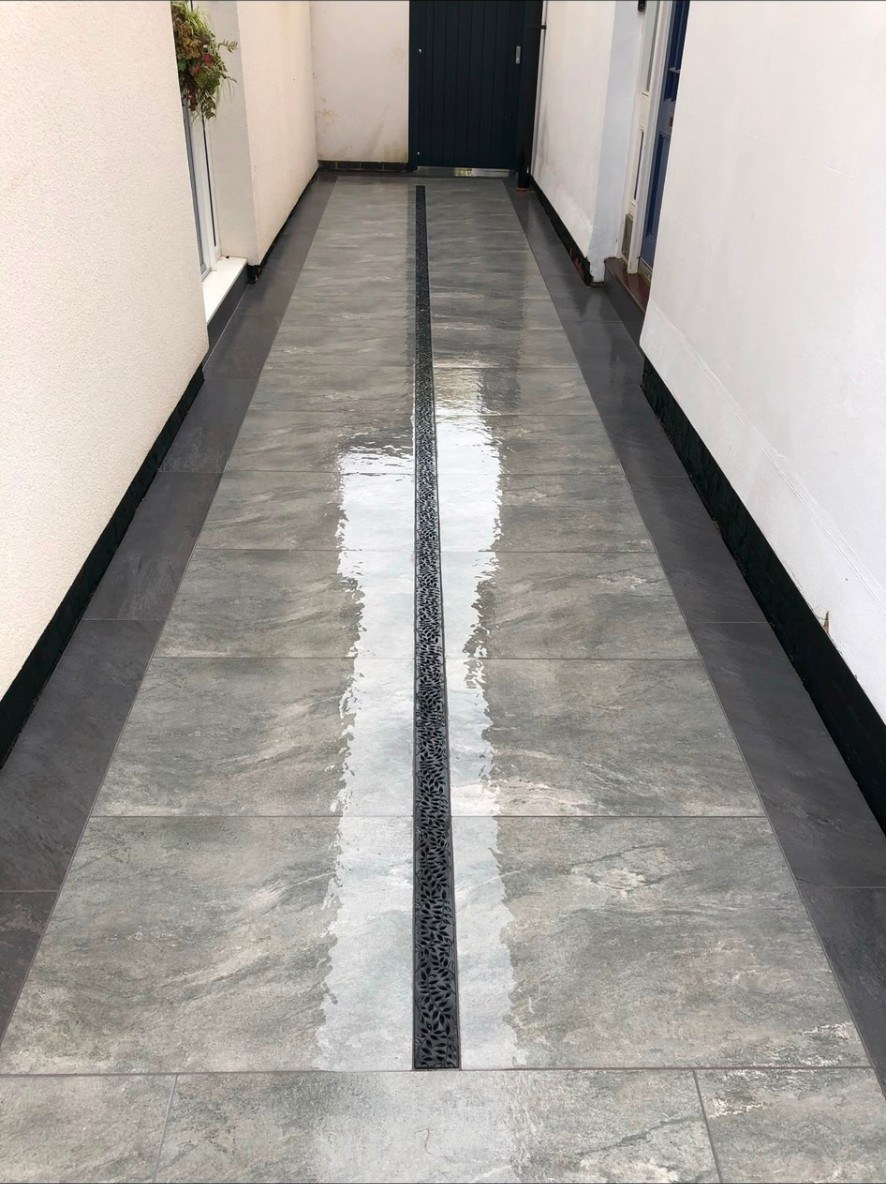
Contemporary grey porcelain paving path with central decorative drainage channel in a side return
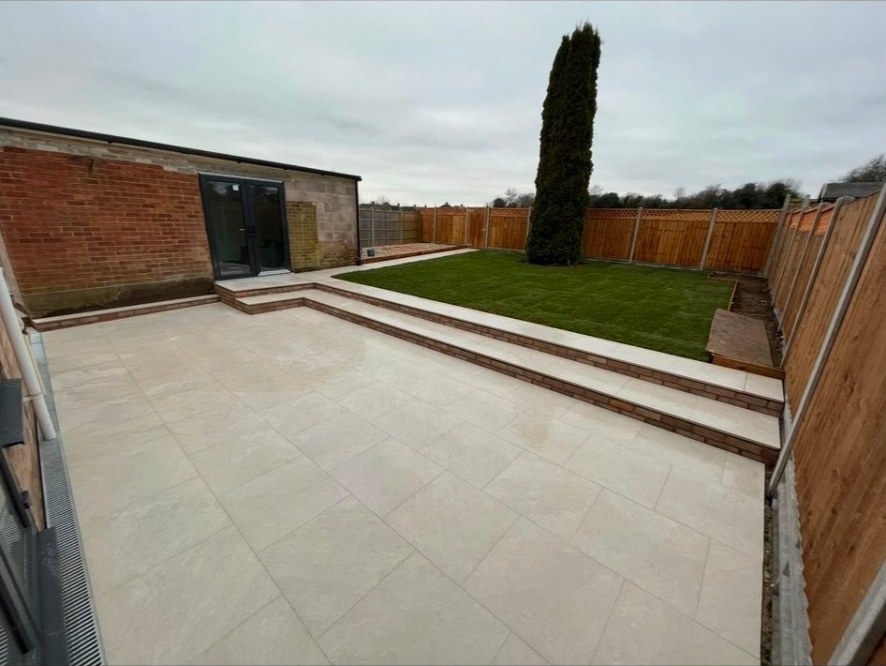
Modern garden with porcelain patio, tiered steps, freshly laid lawn and timber fencing.
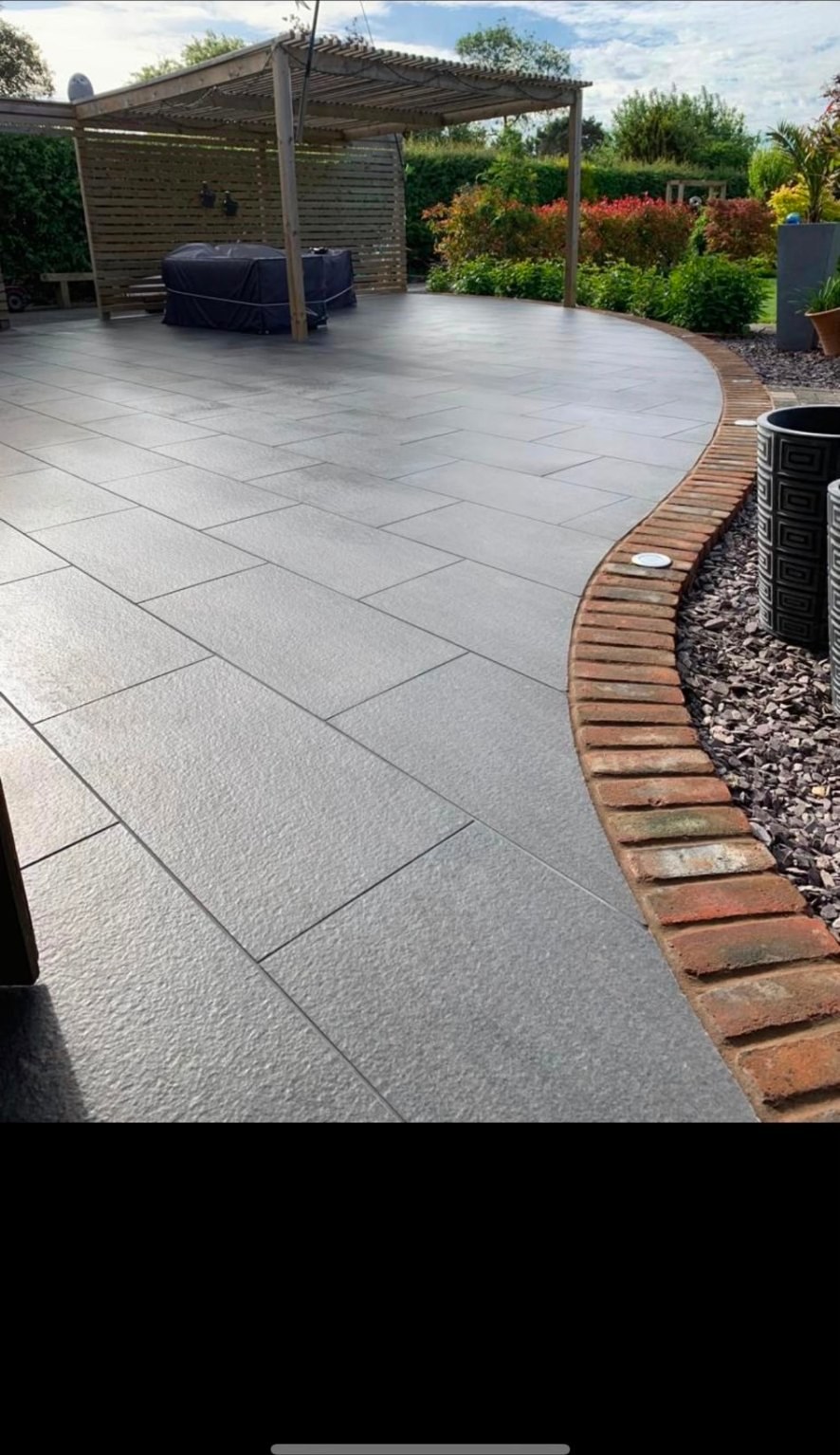
Contemporary grey porcelain patio with a curved brick edge and timber pergola
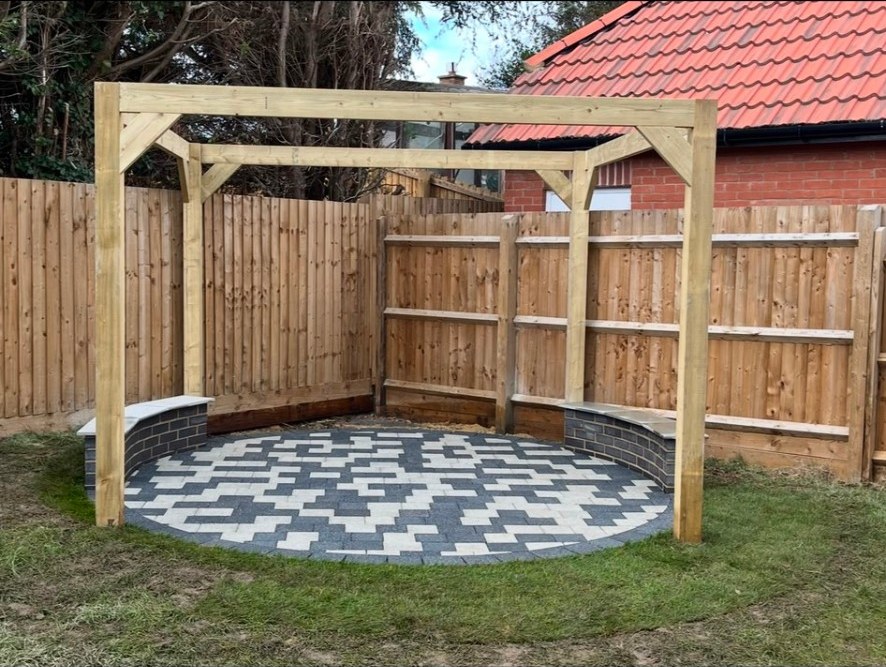
Circular block paving patio with timber pergola, brick seating, and new garden fencing.
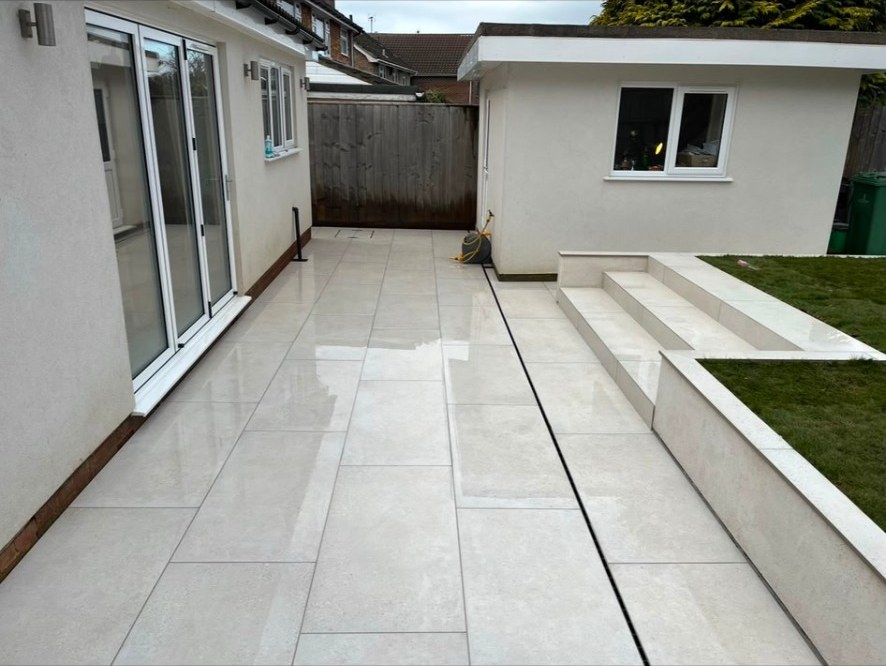
Contemporary light grey porcelain patio with matching steps and integrated drainage

Get a fixed-price quote you can actually trust.

On-site survey, accurate measurements, written specification, itemised pricing and a firm start date. No subcontracted estimators, no pressure, no surprise add-ons mid-build.

Free on-site survey, free written quote

Call NowGet Free Quote